A second income on land you already own.
The rental case for a backyard ADU is strong in Virginia — but only if you underwrite it honestly. Here are real rent ranges, real build costs, and the math we walk clients through before anyone signs anything.
Written by Dan Caporale, Principal, Hearthstone Design Build
The appeal is obvious. You already own the most expensive input in Virginia residential development — the land. An ADU converts an underused corner of a lot into a legal, permitted, rentable dwelling without the acquisition cost that makes conventional rental investing hard in this market.
The honest version of the math starts with cost, not rent. Two lots that look identical from the street can differ by $80,000 in site work: distance to the utility connections, grade and drainage, tree clearing, and — on Piedmont and rural parcels — whether the existing septic field has capacity or a new one is required. Rent barely moves between those two lots. Cost moves a lot. That is why the Readiness Assessment exists: the cost band is the number that determines whether the project pencils.
On the rent side, Northern Virginia supports $1,500–$2,500+ per month for a well-designed detached one- or two-bedroom cottage on a long-term lease. Arlington, Alexandria and inner Fairfax sit at the top of that band; outer Loudoun, Prince William and Fauquier sit lower. Run a project at $250,000 all-in against $2,000 a month and you are near a 9.6% gross yield — before taxes, insurance, maintenance and vacancy, all of which are real and all of which should be in your model.
Two cautions we give every client. First, do not underwrite short-term rental rates: Airbnb use is governed by separate local ordinances and by HOA covenants that zoning does not preempt. Second, expect the assessment to rise — you are adding permitted living area, and the county will notice.
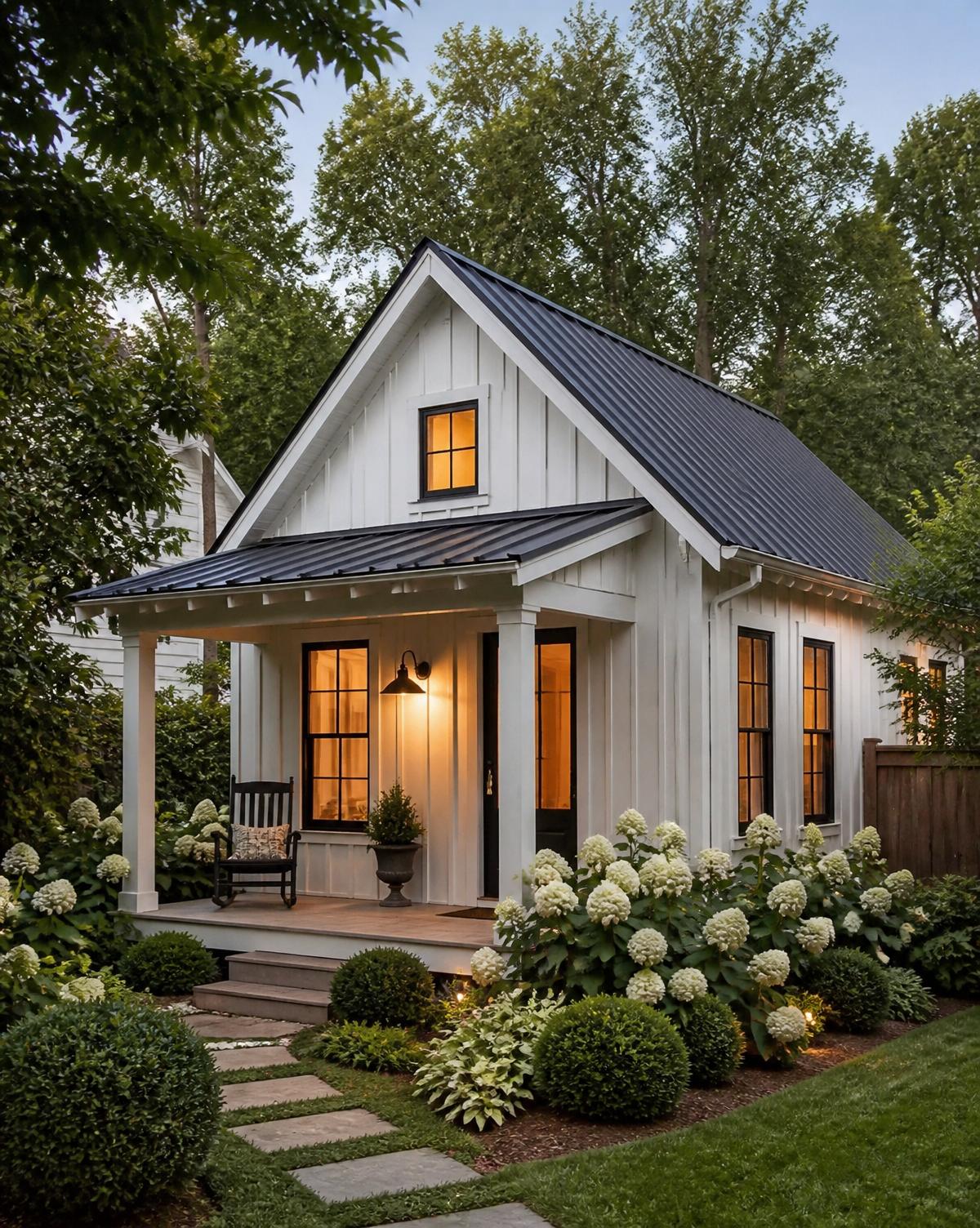
Rental ADU at a glance
- Typical NoVa rent
- $1,500–$2,500+ per month long-term for a well-designed detached one- or two-bedroom unit.
- Build cost
- $180,000–$400,000+ for a new detached cottage; $60,000–$150,000 for an interior or garage conversion.
- Gross yield
- Roughly 6–12% of build cost annually before expenses, depending on submarket and how much of the cost is site work.
- Lender treatment
- Most lenders will underwrite documented long-term ADU rent as durable income once there is a signed lease and a permitted certificate of occupancy.
- Short-term rental
- Governed separately by local ordinance and HOA covenants — never assume Airbnb is permitted just because the ADU is.
Rental income questions
How much rent does an ADU earn in Northern Virginia?+
A well-designed detached ADU in Northern Virginia typically rents for $1,500–$2,500 or more per month on a long-term lease, depending on size, finish level and submarket. Arlington, Alexandria and inner Fairfax sit at the top of that range; outer Loudoun, Prince William and Fauquier sit lower.
Is building an ADU for rental income worth it in Virginia?+
It depends almost entirely on your site work. A lot with easy utility runs and public sewer produces a much better return than a rural lot needing a new septic field, because the rent is similar but the cost is not. As a rough screen, a project that lands near $250,000 and rents at $2,000 a month is producing close to a 9.6% gross yield before expenses.
Can I use an ADU as a short-term rental in Virginia?+
Sometimes, but never assume it. Short-term rental use is regulated separately from ADU zoning — by local short-term rental ordinances, registration requirements, occupancy limits, and by HOA covenants that zoning does not preempt. Confirm before you underwrite Airbnb rates.
Will a bank count ADU rent as income?+
Generally yes for a long-term lease, once the unit has a certificate of occupancy and a signed lease. Lenders vary in how much of the gross rent they credit — commonly around 75% to account for vacancy and expenses. Projected rent on an unbuilt unit is treated much more conservatively.
Does an ADU raise my property taxes?+
Yes. An ADU adds permitted, assessable living area, so the assessment rises. That increase should be modeled as an operating expense against the rent, alongside insurance, maintenance and vacancy — it does not usually change the investment case, but it should not be ignored.